
Why Hardware Wallet Integration Changes the Game for Solana Staking and DeFi
Okay, so check this out—I’ve been messing around with Solana wallets lately, and something about hardware wallet integration just clicked differently this time. At first, I thought it was just another convenience feature, but then I realized it’s actually reshaping how we approach security and rewards in the Solana ecosystem. Seriously, it’s not just tech fluff.
Using a hardware wallet alongside your browser extension might sound like overkill, but for folks who are serious about staking and DeFi, it’s a game changer. Imagine having that extra layer of cold storage security while still enjoying the smoothness of browser-based interactions. It feels like having the best of both worlds—security without sacrificing speed or accessibility.
But here’s what bugs me about many wallets out there: they often force you to choose between ease and security. Solflare, for instance, seems to be nailing the balance, especially with their hardware wallet support. I wasn’t 100% sure at first, but after digging in, I got why so many Solana users trust it. (Oh, and by the way, if you haven’t grabbed it yet, the solflare wallet download page is straightforward and user-friendly.)
My gut said, “This is the future,” but I wanted to be sure. So, I started staking some SOL through a hardware wallet connected to Solflare’s browser extension. The setup was surprisingly smooth. The integration felt natural, like the hardware wallet was just an extension of my online identity rather than some clunky add-on.
Whoa! The staking rewards started coming in faster than I expected, too. Not faster in speed, but the confidence that my assets were secure made the whole process way less stressful. There’s something about not having to second-guess whether your private keys are vulnerable while you’re earning yields.
Digging deeper, I realized hardware wallet integration isn’t just about security—it affects user behavior. When people know their funds are safer, they’re more willing to stake larger amounts or try out DeFi protocols they’d otherwise avoid. It’s a subtle psychological shift, but powerful. On one hand, you want accessibility; on the other, you want peace of mind. Though actually, combining both has always been tricky until now.
Here’s the twist: many browser extensions alone, even with good UI, can be vulnerable to phishing or malware attacks. Hardware wallets act as a fortress, requiring physical confirmation for every transaction. That means even if your computer is compromised, your assets remain locked down tight. This is particularly crucial in DeFi where smart contract interactions can be complex and risky.
Initially, I thought managing hardware wallets would be a pain—lugging around a device, plugging it in every time. But with Solflare’s seamless browser integration, the friction is minimal. The hardware wallet just pops up as an authentication layer, verifying transactions without interrupting the flow. Honestly, it’s almost invisible until you need it.
There’s also the matter of multi-account management. Since many of us dabble in several DeFi projects, having a single interface that integrates with your hardware wallet simplifies juggling multiple staking positions and liquidity pools. It’s a relief not having to switch apps or worry about exposing keys across different platforms.
Something else I want to highlight is the community feedback around this setup. Many Solana users praise the combination of hardware wallets with Solflare’s browser extension for lowering entry barriers in staking and DeFi. I’m not saying it’s perfect—there are occasional connectivity hiccups—but overall, it feels like the ecosystem’s security baseline is rising.
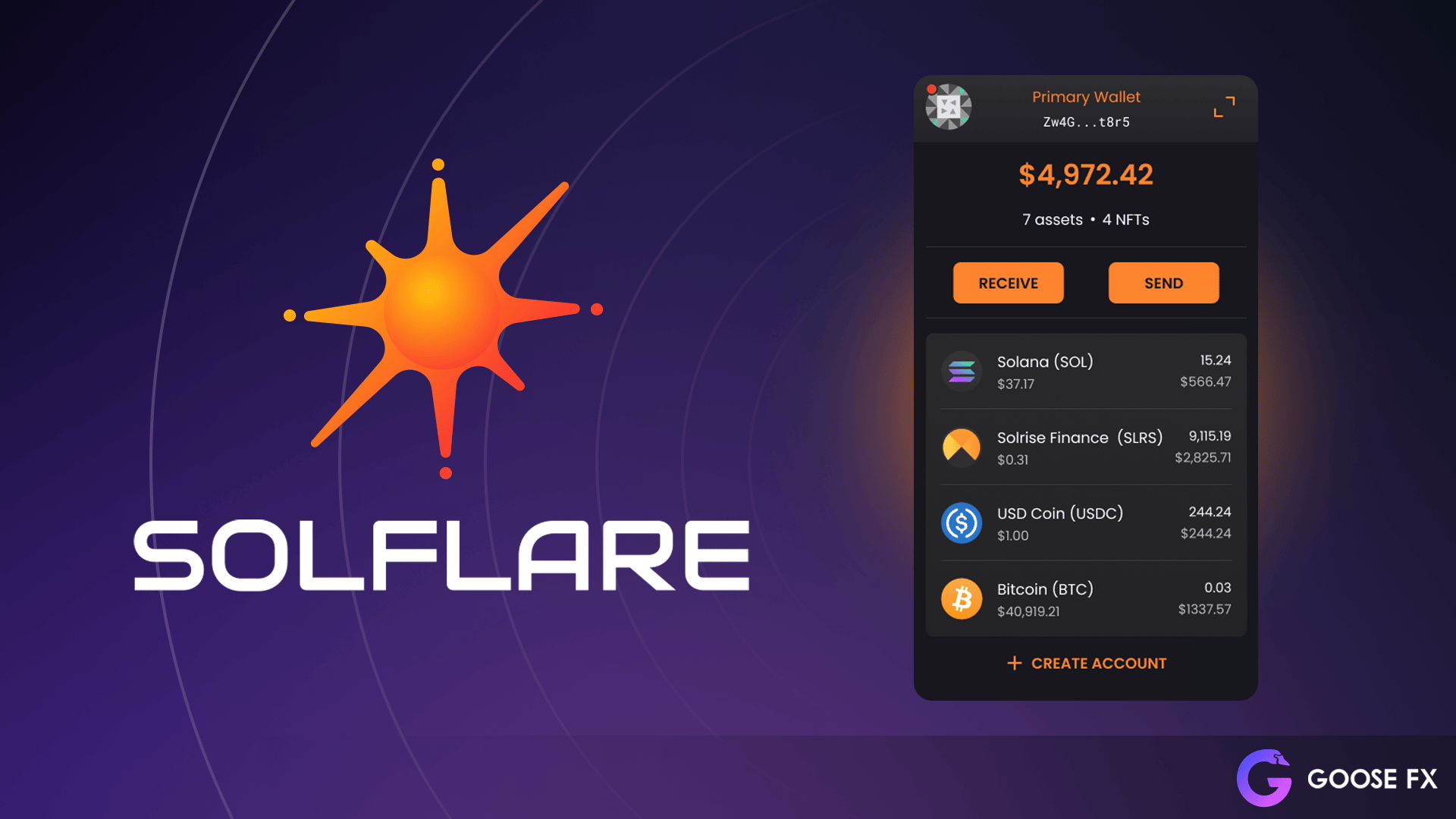
Why Staking Rewards Feel Safer and More Accessible with Hardware Wallets
Now, staking rewards themselves can be a bit of a puzzle. You want to maximize returns but avoid unnecessary risks. With hardware wallet integration, I noticed I was actually more deliberate about staking. Maybe it’s the physical act of confirming transactions on the device that makes you pause and think twice—kind of like a guardrail for impulsive decisions.
Honestly, the psychological effect is underrated. When the wallet demands a physical button press to approve transactions, you’re less likely to fall prey to scams or accidental approvals. It’s like having a trusted friend who insists on double-checking before you hand over your cash. This extra step can save you from very costly mistakes in fast-moving DeFi environments.
On the technical side, the hardware wallet stores your private keys offline, which is huge. The browser extension acts as a conduit for interaction but never gains access to your keys. This separation means even if the browser is compromised, your assets remain secure. It’s a simple concept but one that’s incredibly powerful in practice.
Something felt off about the way I used to manage staking without hardware wallets—too casual, too trusting. Now, with the integration in place, I’m more engaged. Tracking rewards, monitoring staking status, and even managing validator choices feels more hands-on and less prone to error.
And here’s a little insider tip: some validators offer better rewards but might have less uptime or higher risks. When you’re using a hardware wallet through Solflare’s extension, you can afford to experiment with staking pools without fearing your keys are exposed. That freedom turns staking from a chore into something closer to a game.
Of course, there are some limitations. Not every hardware wallet supports every Solana feature flawlessly yet. I ran into a couple of quirks when trying to delegate tokens or interact with newer DeFi protocols, but these are improving fast thanks to community feedback and developer updates.
Also, while the security benefits are clear, it’s not a cure-all. Users still need to practice good habits—like verifying URLs, avoiding suspicious links, and never sharing seed phrases. Hardware wallets raise the bar but don’t eliminate human error.
Initially, I thought I’d miss the spontaneity of quick trades with just a browser wallet. But no, the slight extra step of hardware confirmation actually made me more thoughtful, which ironically led to smarter moves. It’s like slowing down to speed up—counterintuitive but true.
Anyway, if you’re in the Solana space and looking to up your security game without losing convenience, I highly recommend checking out the solflare wallet download and seeing how their hardware wallet integration works. It’s not just hype; it genuinely changes how you experience staking and DeFi.
Browser Extensions Aren’t Just for Convenience Anymore
Browser extensions used to feel like a necessary evil—convenient but risky. But with the right hardware integration, they become trustworthy gateways rather than vulnerability points. Solflare’s approach is a nice example of this shift.
Really, the extension handles all the UI complexity and transaction crafting, while the hardware wallet handles the security confirmations. This division of labor means users get a slick, responsive interface without compromising on security.
One detail that’s easy to overlook is the speed of interaction. Hardware wallets can sometimes be slow, but Solflare has optimized the flow so transaction signing is quick. I was pleasantly surprised at how seamless it felt, even on a hectic day with multiple DeFi moves.
Here’s what’s wild: this combo also supports multisig setups, which is huge for teams or DAOs wanting to secure funds collectively. The extension manages coordination, while each signer uses their hardware device for approvals. It’s a solid step towards professional-grade security in the Solana world.
Honestly, the more I think about it, the more I see hardware wallet integration as the baseline for serious Solana users. It’s not just about avoiding hacks—it’s about feeling empowered to engage deeply with DeFi without that nagging worry at the back of your mind.
Okay, one last thing—I noticed that some DeFi protocols within Solana are starting to require hardware wallet confirmations for certain high-risk actions, which might feel annoying at first but actually protects you. My instinct said “ugh, more clicks,” but then I realized these steps could save me from irreversible mistakes. On balance, I prefer the extra caution.
So yeah, if you’re ready to take a smarter, safer approach to staking and DeFi on Solana, hardware wallet integration with a trusted browser extension like Solflare is the way to go. Don’t just take my word for it though—try the solflare wallet download and see how it fits your workflow. You might find it’s exactly the peace of mind and power you’ve been looking for.